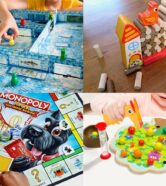
Building Confidence: Social Skills Every Child Should Learn
Social skills are at the heart of a confident child. When children learn to share, take turns, resolve conflict, and understand others’ feelings, they’re not just getting along with peers — they’re building foundations for school, wellbeing, and lifelong success. Studies show early social-emotional learning (SEL) is linked to better academic outcomes, higher emotional wellbeing, and stronger relationships later in life. For example, pretend play has been found to correlate with social competence in children aged 3–8 years.
Here in Dubai, where families are often international, multicultural, and constantly in motion, helping children develop strong social skills helps them connect, thrive, feel rooted, and confident wherever they are. A toy & books library subscription service like Green Giraffe offers a powerful way to access tools—books, role-play kits, board games—that support this development affordably and sustainably.
Why Social Skills Matter
- They support confidence: when a child can express what they feel, reach out to others, and handle social challenges, they feel more capable and secure.
- They smooth the path for school readiness: skills like turn-taking, emotion understanding, cooperation are predictors of success in preschool and primary school.
- They contribute to later mental and relational wellbeing: strong social competence early reduces later risks of loneliness, anxiety, or conflict. Research shows that pretend play helps with self-regulation and empathy growth.
Core Social Skills by Age Bracket
Here’s what to expect, and how you can help, for each age group. Use toys and books—many of which you can borrow via a Green Giraffe subscription—to support these skills.
Age
Key Social Skills
Parent/Caregiver Activities & Toy / Book Types
0-2 years
- Joint attention (sharing focus on the same thing)
- Responding & initiating simple interactions
- Early turn-taking basics
- Use simple board books with lively pictures; pause and look together, point things out. Borrow picture books and soft puppets.
- Do peek-a-boo, copy sounds, simple songs to share attention.
- Use toys that allow you both to take turns—rolling balls, passing a toy.
2-4 years
- Cooperative play (playing with others, sharing roles)
- Emotion labeling (identifying “happy,” “sad,” “angry,” etc.)
- Simple problem-solving with peers
- Role-play with dolls, dress-up costumes, puppet sets. Borrow them from Green Giraffe’s toy library Dubai.
- Read stories with characters experiencing feelings; talk about how they feel, what words describe it.
- When conflicts arise (e.g. two kids want the same toy), guide them through “how can we share or wait our turn?”
4-6 years
- Perspective-taking (“What would they feel?”)
- Conflict resolution (using words, negotiating)
- Conversational skills (listening, turn-speaking)
- Use cooperative board games, multi-player puzzles. Borrow sets from the toy library.
- Act out stories or use puppets about disagreements and resolutions.
- Practice “What do you think they are thinking?” questions during story time or after watching shows.
6-12 years
- Teamwork (group tasks, collaboration)
- Assertiveness (not aggression) – standing up for oneself kindly
- Empathy & digital civility (kind behaviour online/offline)
- Encourage group games (sports, team board games) where each child has role. Borrow such items.
- Books with social dilemmas, characters who do difficult things ethically.
- Discuss online behaviour, kindness in messaging, respecting others when using devices.
How Toys & Books Build Social Confidence
- Pretend Play & Role-Play: These allow children to try out roles, experiment with emotions, and negotiate roles with peers. Meta-analysis shows that higher quality pretend play is associated with better social competence (cooperation, perspective-taking).
- Emotion Narratives in Books: When children read stories showing characters’ feelings, they develop emotional understanding, ability to label emotions, and empathy. Labeling emotions has been shown to improve emotion recognition in 3-year-olds.
- Cooperative Games & Turn-Taking Toys: Games with rules, shared goals foster conversation, conflict resolution, patience. Toy libraries give access to these without large costs.
- Scaffolding by Adults: When caregivers model kindness, resolve conflicts, label emotions themselves, children pick up these behaviours. This “co-regulation” is shown to be essential. Research on early emotional competence emphasizes intentional coaching of emotion knowledge by adults.
Practical Play Suggestions (by Age) You Can Borrow from a Toy & Books Library
Here are 6 quick activity ideas using materials you might borrow from Green Giraffe’s catalogue:
- 0–2 yrs: Soft puppet & mirror time — one puppet plays peek-a-boo in mirror, you take turns leading, then let the child lead.
- 2–3 yrs: Emotion charades with picture emotion cards: borrow books or cards that show faces; act them out.
- 3–4 yrs: Cooperative building set challenge (e.g., blocks, large LEGO, magnetic tiles). Build something together within time limit.
- 9–12 yrs: Story writing or comic strip together about a conflict and resolution; or discussion after reading a book about friendships or online behaviour.
- 6–8 yrs: Board game night: games with strategy, negotiation, rule following (e.g. “Ticket to Ride”, cooperative games).
- 9–12 yrs: Story writing or comic strip together about a conflict and resolution; or discussion after reading a book about friendships or online behaviour.
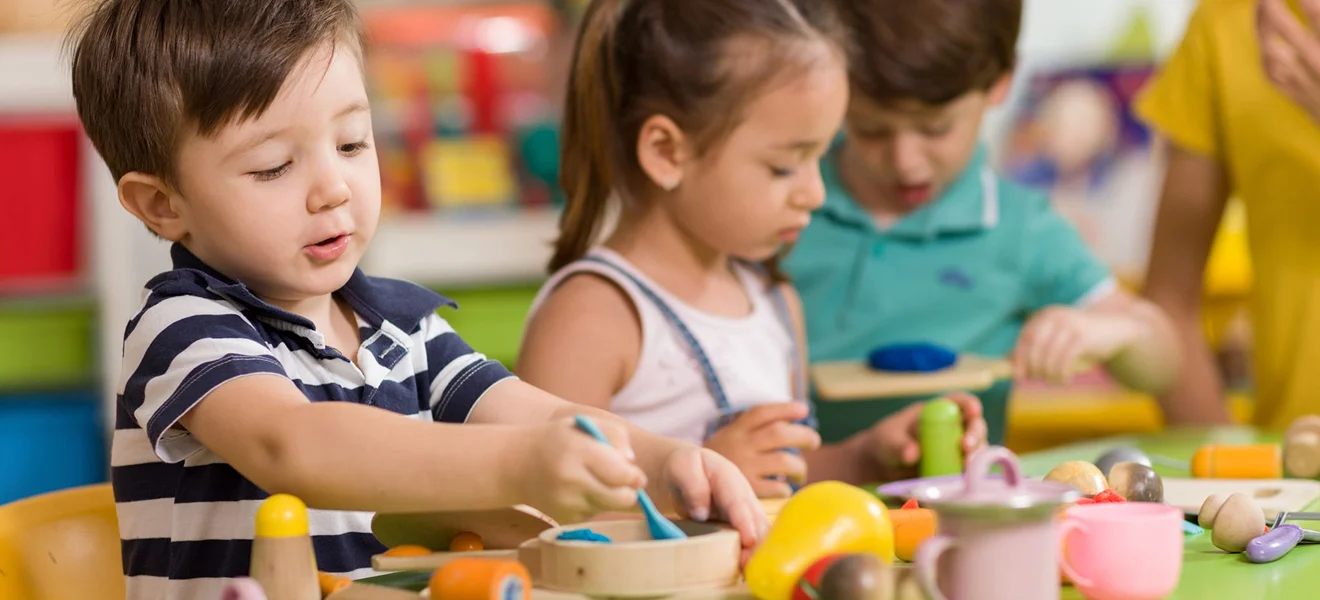
Books & Toy Recommendations to Borrow / Rent
Here are toy & book types that help build social skills — consider “borrow this box” from Green Giraffe when available:
- Books about emotions and empathy (e.g. picture books that show characters feeling jealousy, joy, fear and how they deal with them).
- Multi-player board games & cooperative puzzles (games where children win or lose together).
- Pretend play / role-play kits: dress-ups, puppet theatres, toy kitchens, etc.
- Puppets & storytelling props: let children tell stories, act out perspectives.
- Turn-taking toys like balls, simple musical instruments.
- Books about social dilemmas and decision-making (for older children).
Tips for Parents: Scaffolding Social Play & Encouraging Confidence
- Model the behaviour you want (sharing, apologizing, listening). Children learn a lot by observing.
- Use emotion labelling as you go: “I feel frustrated; you look disappointed.” Helps build emotional vocabulary.
- Guide, don’t take over: Let children resolve small conflicts, but intervene when needed to teach negotiation.
- Praise effort not just outcome: “You waited your turn well” boosts self-esteem.
- Give safe opportunities to fail and try again: children build confidence by overcoming small social setbacks.
Quick Tips & Takeaways
- Social skills develop in stages—adjust expectations by age.
- Pretend play + books about feelings = powerful combo for empathy.
- Borrowing toys & books via a toy library is affordable, sustainable, and opens variety.
- Scaffolding by caring adults (emotion words, guiding conflict) matters more than perfect materials.
- Celebrate small wins: waiting, sharing, resolving disagreements.
- Use local community opportunities (playdates, libraries, Green Giraffe) to practice.